Research with AI
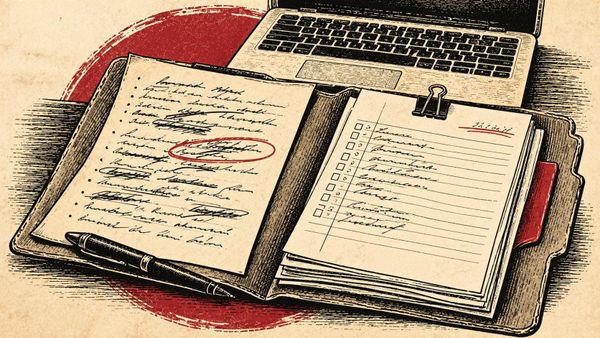
The Making Log: The Running Record of How You Work a Research Problem
A Making Log: dated entries recording what a family historian set out to find, what they did, what AI did, and what they kept, for one ancestor research project.
Research with AI
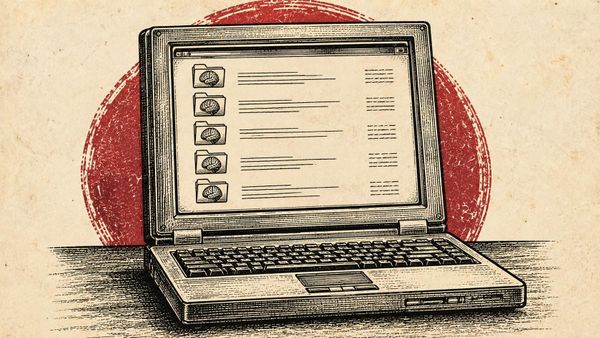
A Research Brain is the project folder for one research project: your records, your brain dump and your Making Log, kept where your AI tool can read them.
Research with AI
AI invents records because of the request, not the tool. The Find/Work Test is one question family historians ask first: find something, or work on it?
Writing with AI
Try the Five Forms exercise to see which style of family history writing you drift towards. The chronicle is the sixth form and a new one for family historians.
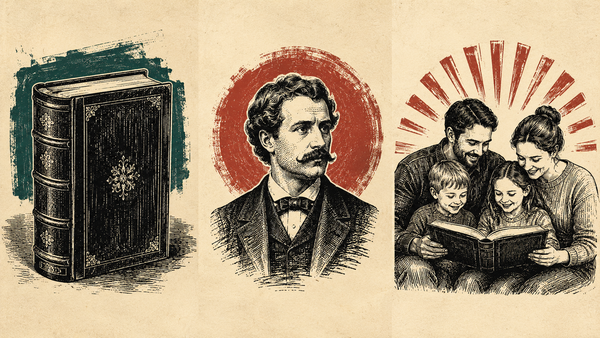
Chronicles are a new type of family history writing. The best way to understand them is the contrast between genealogy reports and typical family history.
Claude for genealogy: how to use Anthropic's AI for reading old records, building proof arguments, and writing family history stories.
An estimated 98% of genealogists who want to write never finish. The problem is not discipline or time. It is three specific patterns you can fix.
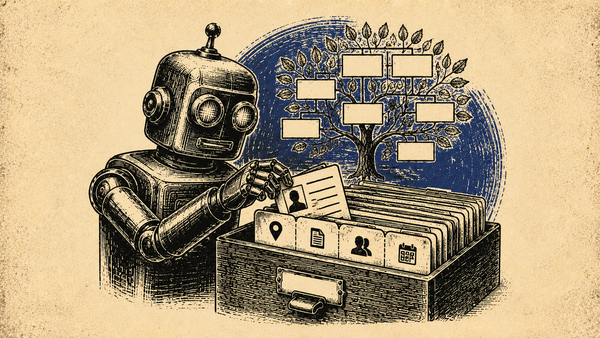
How to use AI to organize genealogy research: build timelines, create inventories, find gaps, and get your files ready to write from.
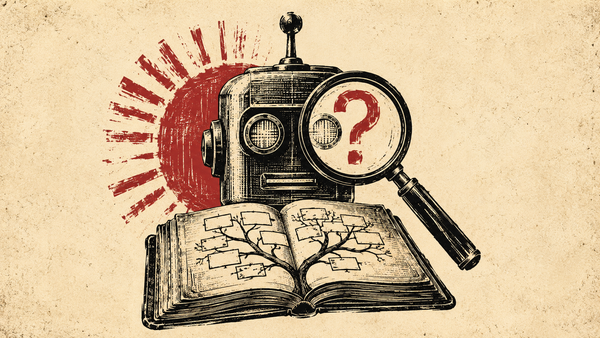
Is AI safe for genealogy? Yes, with guardrails. Here are the three risks, how to catch each one, and the verification habit that protects your research.
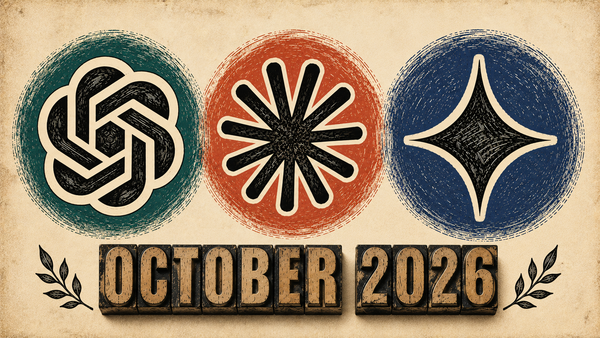
The everyday frontier AI models got better on their own this quarter. What changed in Claude, ChatGPT and Gemini for family historians, July to September 2026.
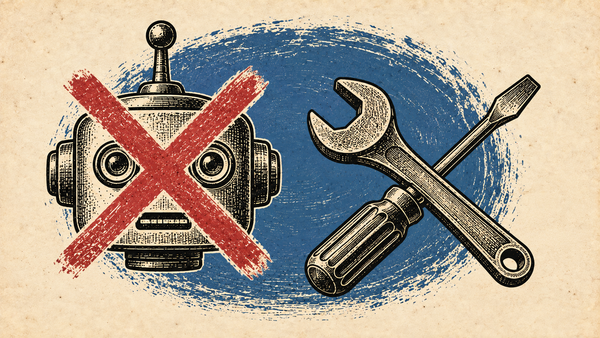
I called AI a collaborator for two years and then stopped. The word was telling family historians their own research and writing belonged to something else.
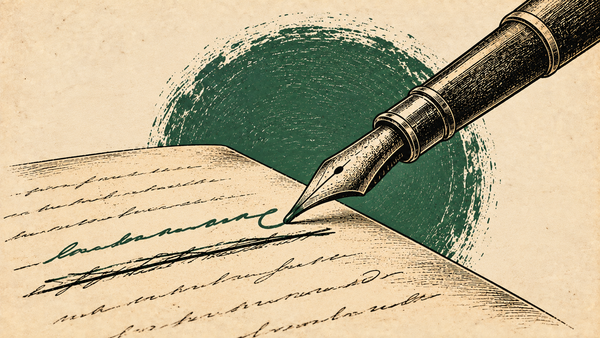
AI can coach the family history you have already written, without writing a word of it for you. What a coaching pass returns and why it works.

MyHeritage and Ancestry both barred AI agents from their sites in 2026. What the terms actually say, and what AI is genuinely useful for at the search box.
A finished family history is one a reader has read. Not a complete tree, not exhausted sources — a chronicle someone who is not you has actually read.
AIM is the Chronicle Makers method for working with AI on family history research: Assess, Interact, Measure. It replaces "trust but verify."
You have enough to write. The Full Pantry Problem is the gap between having enough and believing it, and it hits the best-researched family historians hardest.
ChatGPT and Claude's new live voice mode lets you talk instead of type to write your ancestor's story faster.
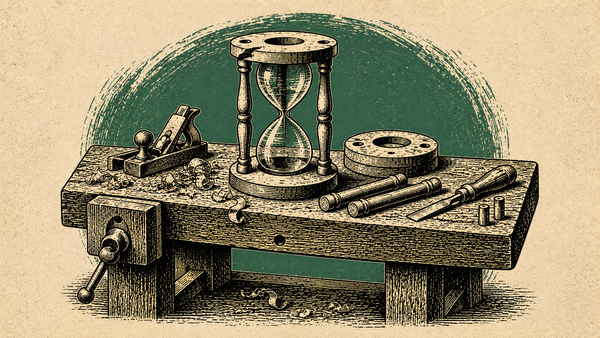
Your making process is the path from the records you found to the chronicle your family reads. Documenting it as you work is the practice.
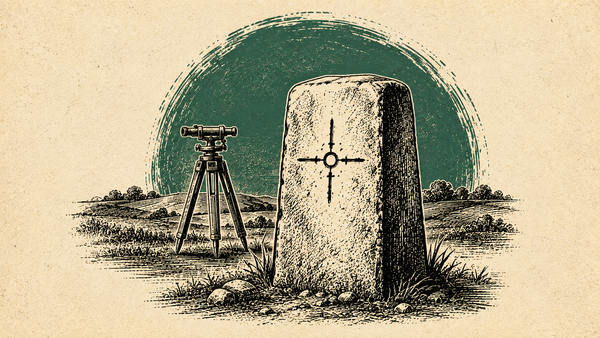
The Soundness Standard defines when research on one ancestor is finished: searched to the records that exist, written down, honestly defensible.
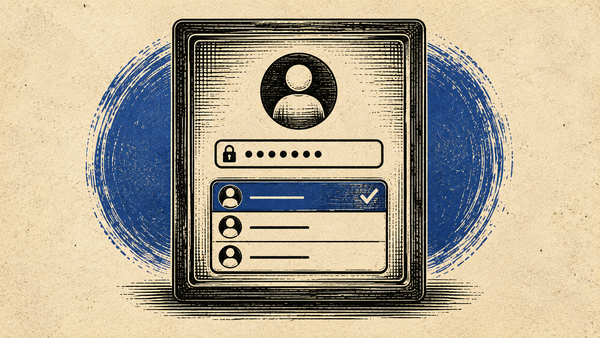
The privacy question in family history is not really about AI. It is about whose material goes into your tool, and what it does to the tool.
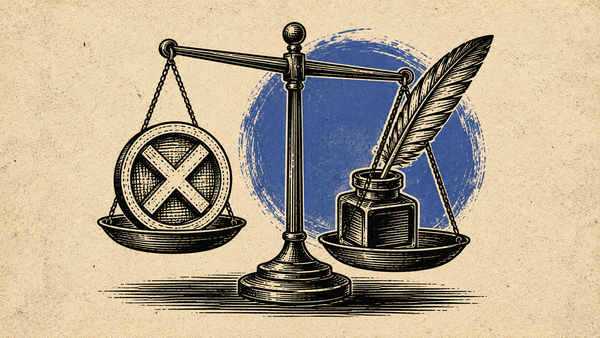
Is it cheating to use AI to write your family history? No. Cheating needs a competition with rules and you never entered one. Here's the real answer.