From Ore to Milk: The Life of Horace Wilmer Sr.
The chronicle of Horace Wilmer Sr., who turned a Pennsylvania iron-mining family's small dairy into Wilmer Dairies — and watched it end. By Denyse Allen.

A finished family history chronicle by Denyse Allen, founder of Chronicle Makers, written using the STORI Method she teaches. Every bit here is grounded in census records, marriage licenses, vital records, Milk Control Commission audits, and the 1950 bankruptcy file.
Horace Wilmer Sr. was born in 1876 in Plymouth Township, Pennsylvania, the fourth child in a household that had very little and needed everyone to work.. His father, John Wilmer, worked as an iron miner, one of the hardest, most precarious jobs in post-Civil War Pennsylvania. The 1880 census captured a snapshot of their home: a modest, crowded household with five children under eleven and no luxuries to spare. Yet amid this, a different life was forming in young Horace's life, one rooted not in ore but in land.
John Wilmer started a dairy operation in 1884. Horace grew up a part of the dairy, completing school at 8th grade to work full-time in it. The 1900 census recorded him as a farm laborer on the family property, working fifty-two weeks that year. Not a week off. The census description is accurate but insufficient. Horace wasn't just working. He was learning what the land required, what the cows required, what a dairy business required. When his time came to run it, he would already know.
Building a Home and a Business
In 1902, Horace married Sarah Helman at St. Patrick's Catholic Church in Norristown. Sarah had worked in a cigar factory and came from a close-knit family. Her siblings and widowed mother would soon move in with the young couple. Exactly how much Sarah's family assisted in building the dairy business we do not know. The Wilmer home became a multigenerational operation where children were born, meals were shared, and every adult had a role to play.
By 1910, Horace was still listed as a farm laborer with no time off in the year, but he now carried a mortgage and responsibilities that went far beyond planting and harvesting. He was transforming the family dairy into a larger enterprise.
The 1920s brought growth. The Wilmers had added a fourth child, Francis, and lived in a fully owned home on Conshohocken Pike. Horace was no longer just producing milk, he was selling it. The Wilmers had entered the business of dairy distribution, a demanding and rapidly evolving trade.
The Ascent of Wilmer Dairies
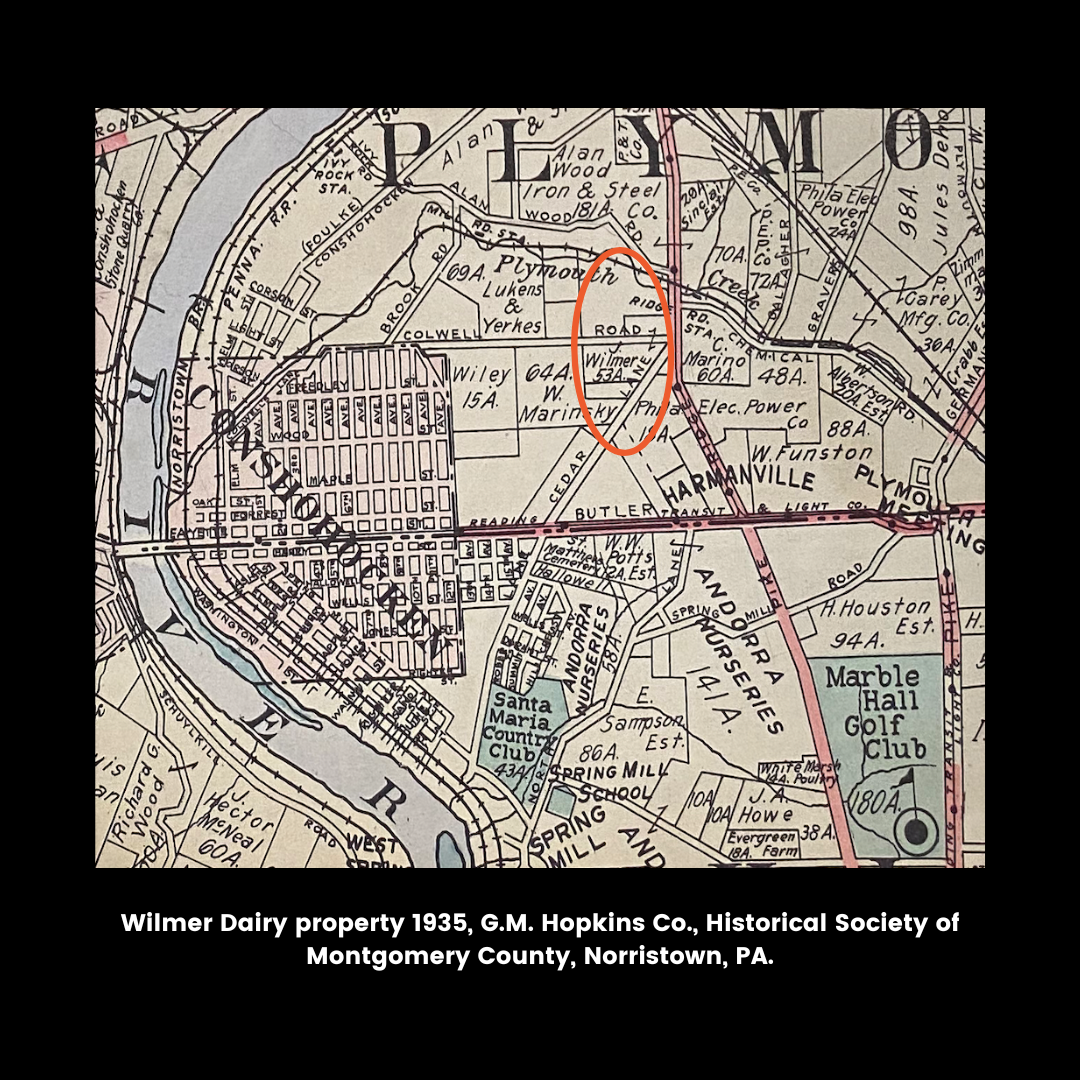
By the 1930 census, Horace was listed as a "milk dealer," operating what had become Wilmer Dairies. The dairy sat on land bordered by Butler Pike, Ridge Pike, and Plymouth Creek. Wilmer Dairies had secured its first milk permit from the Conshohocken Borough Council in January 1929. His sons helped with delivery routes, and their home at 1774 Butler Pike became the heart of a local milk distribution business.
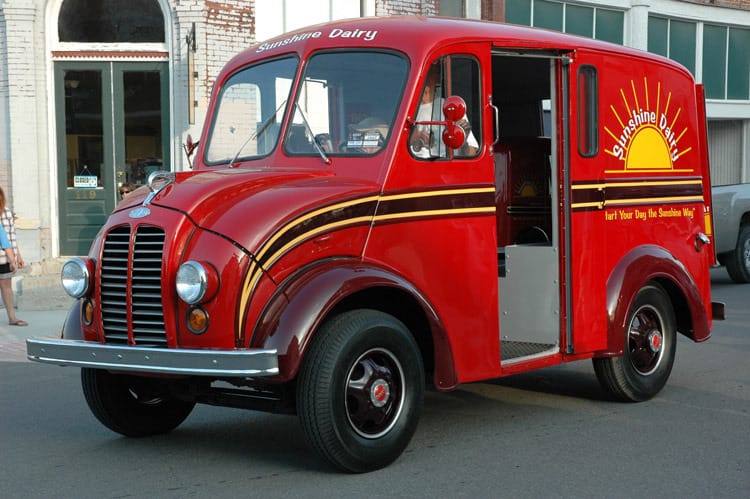
The Wilmers invested in pasteurization technology, bottling lines, and refrigerated Divco trucks. In an era when most small dairies sold raw milk in cans, the Wilmers offered bottled, pasteurized milk delivered directly to homes and businesses. This was more than a farm. It was a vertically integrated operation with multiple 200-gallon pasteurizers, automated bottling lines, and thousands of glass bottles in inventory. With four delivery trucks, they likely reached hundreds of homes and institutions across Montgomery County. By 1948, the company focused heavily on home delivery in suburban areas, with 77% of sales classified as fluid milk.
The Collapse
Yet for all their ambition, the Wilmers could not outpace the forces gathering around them. Pennsylvania's 1930s Milk Control Laws had helped stabilize prices in the wake of the Great Depression. But by the 1940s and into the post-war years, those same regulations became barriers too high for family-run dairies to clear. The cost of compliance rose steeply. Prices were fixed. And while Horace continued working 60-hour weeks into his sixties, the margins were too slim to sustain the business.
State audit records from 1947–1948 demonstrate the financial strain: Horace sometimes overpaid farmers to maintain supplier loyalty, but in other periods the dairy underpaid, resulting in $3,874.81 in checks returned protested in December 1947. At the same time, the market was transformed by home refrigeration, suburban sprawl, and centralized supermarket distribution, rendering small-scale home delivery economically unsustainable.
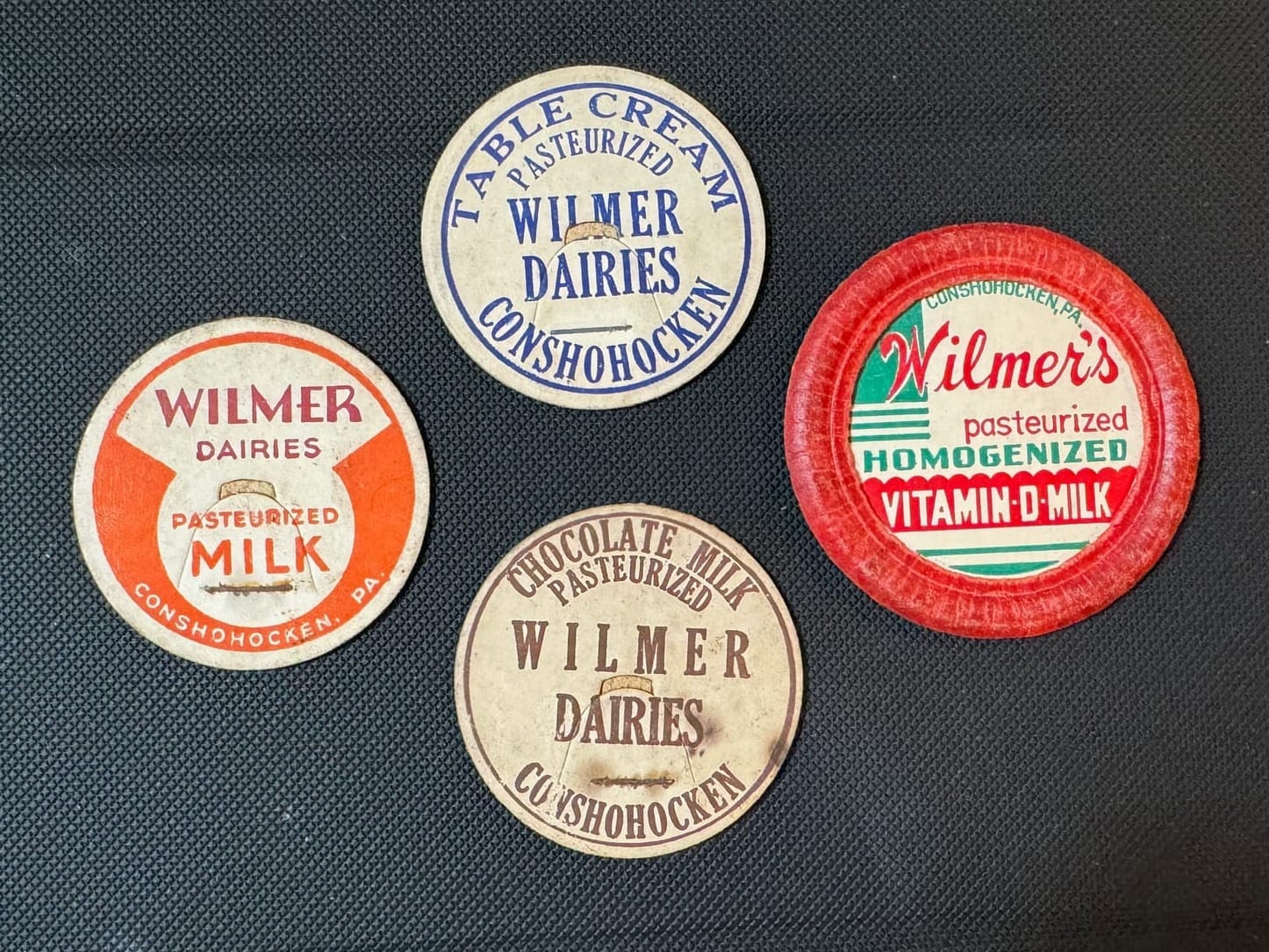
On June 7, 1950, Wilmer Dairies declared bankruptcy in U.S. District Court in Philadelphia. Equipment that had once symbolized progress — DeLaval separators, cold diffusers, delivery trucks — was sold at auction. Even the milk bottles went to the highest bidder. What had taken decades to build was dismantled in a matter of months.
Court records do not suggest mismanagement. Instead, they describe diligence and constant effort. Horace Jr., who had helped manage the dairy, testified that the cost of new pasteurization equipment and changing consumer demands made it impossible to compete. They worked longer hours. They tried to refinance. But in the end, they were outpaced by larger, industrial operations.
What Remained
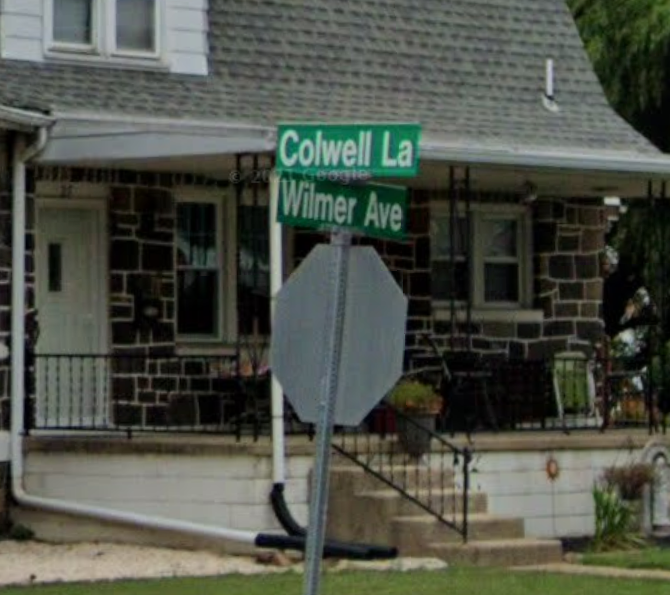
After the business closed, Horace and Sarah moved into Norristown, first on Hamilton Street and later on West Freedley Street, likely with their daughter Mollie. They left behind the land that had defined their lives. But the land hadn't forgotten them. Today, part of the former dairy property is a residential neighborhood. One street, Wilmer Lane, carries the family name forward, a tribute to the people who once labored there.
Horace died in 1962 at the age of 86. Sarah had died the year before. He had an obituary, but no headstone marks his grave. Though he had been married in the Catholic Church, he was not buried in the Catholic cemetery. His story is preserved only in the records he left behind and in his descendants.
Wilmer Dairies never became a regional empire. It never expanded beyond its territory. Yet it stands as an emblem of what it meant to work — really work — in a century of rapid change. There are few people alive today who remember it, but there was a street. And for those who know where to look, there was also a story. A story of a family working a business together to serve their community.
This is my own family's chronicle, written with the STORI Method I teach inside Chronicle Makers. It's AI-collaborative family history writing — the research is mine, the voice is mine, and AI helped me turn a 379 page bankruptcy file and a stack of genealogy records into a story worth reading. It's the same method, on my own family, that members use to write theirs.
See more finished stories on the Chronicles page, learn the STORI Method, or read about how much research is enough before writing.
Want to write your family's chronicle?
If you have the research and want to finish, that's what Chronicle Makers is built for.