What's New in AI for Family Historians: Q3 2026
The everyday frontier AI models got better on their own this quarter. What changed in Claude, ChatGPT and Gemini for family historians, July to September 2026.

The biggest frontier AI change for family historians this quarter happened without anyone lifting a finger. The everyday models inside Claude, ChatGPT and Gemini all got better between July and September, and most people received the upgrade simply by opening the app.
The headlines went elsewhere: new flagship models, always-on agents, AI that makes phone calls. Some of that matters to our work and most of it does not. This roundup sorts it, and picks up where my January–June roundups for Claude, ChatGPT and Gemini left off.
Each section ends with my verdict: use it, watch it, or skip it.
The model you already use got better on its own
This is the story of the quarter, and it is the least exciting to read about.
In August, ChatGPT made text conversations unlimited on its no-cost version and moved everyone onto GPT-5.6 Luna as the default. Anthropic released Claude Sonnet 5.5 on September 28, faster and better at the everyday work of reading documents and writing things up. Google kept refreshing its everyday Flash model and landed on Gemini 3.8 Flash in September.
None of that required a setting, a new plan, or a tutorial. If you transcribed a deed in July and another in September, the second one ran on a better model.
Verdict: use it. Keep working in the tool you already know. The upgrade came to you, and learning one tool deeply still beats chasing the newest one. If you want to judge a model yourself, the 4R Model Test is how I do it.
The flagships: GPT-6 Astra, Claude Fable 5.1 and Opus 5.5
This is where the headlines were. OpenAI released GPT-6 Astra on September 3, starting with its top-tier subscribers and rolling out to everyone else in stages. Anthropic refreshed its Fable flagship in early September and released Claude Opus 5.5 later in the month, positioned close to Fable's capability at a lower running cost. Google's quarter was about agents and voice rather than a new top model.
The road to better has been bumpy though. This meme sums up my experience of working with these models over the past few months:
This might be the best timeline to understand AI in a nutshell..
— Priy (@alwayspriyesh) September 28, 2026
Some got better, some got louder, and some somehow forgot what made them good in the first place... pic.twitter.com/4hqRucNxGg
Here is what I said about Fable in August, and it holds for all of these: you do not need the flagship. Every genealogy job I teach gets done well by the models on the standard subscription, and flagship capability rolls down to that tier within months. A model that arrives on your plan next spring will do the same work this one does now, a little faster.
Verdict: watch it. Let the flagships come to you, because the model you have is not what stands between you and a finished chronicle.
Voice became a way to work
Voice matured across all three tools this quarter. ChatGPT's desktop app gained a voice mode built for talking through the work open on your screen. Claude brought its full model lineup into voice conversations in July. Google upgraded the voice models behind Gemini Live in September.
The part that matters got missed by many — what changed was the model behind the voice, not the function itself. A voice conversation now runs on the same capable model as your typed ones.
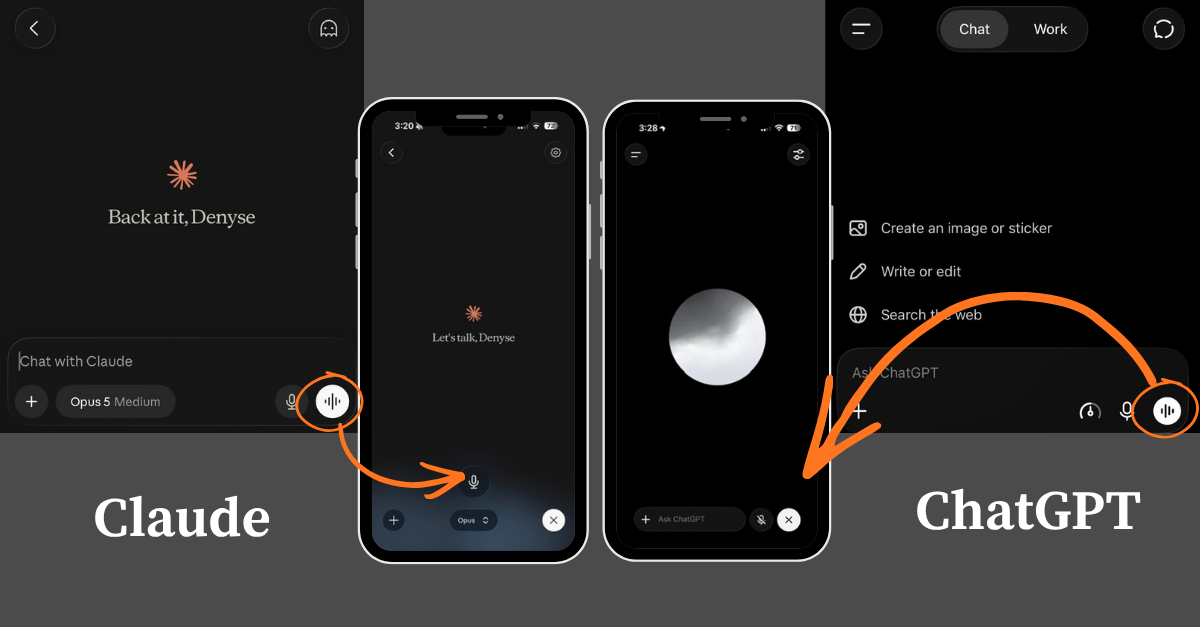
This is how I work now. I go for a long walk, open voice mode, talk through an ancestor or a blog post or a presentation, and come home with everything written down and organized. No lost thoughts, and no blank page waiting at the desk. I covered how to begin in AI's New Voice Mode: Talk Your Family History Onto the Page.
And if you really want to work on the go, you can use CarPlay and have a conversation with AI while you drive. I'm waiting for the headline news story of someone who does something weird with this.
Verdict: use it. If you do one new thing this quarter, make it this. I said this in the September AI Brief, and I'll keep repeating it because it is the easiest way to work now.
Watermarks: two companies gave opposite answers
In August, Anthropic began marking the text Claude writes with an invisible watermark, designed to survive some editing. It applies across every Claude product, globally. Claude does not generate pictures the way Gemini does, so this is about words. Image files it does create, like a chart saved as a PNG, carry a signed label of where they came from, though a screenshot strips it.
That same month, Google went the other way on images. Gemini users can now switch off the visible watermark on AI-generated images, video and music, with some exceptions where the law requires one. Google's invisible marking stays, but the mark a person can see with their own eyes became optional.
For family historians, that second change is the one to sit with. A generated "ancestor portrait" with no visible mark is one setting away from circulating as a real image.
Verdict: understand it. The record that protects your work is the one you keep yourself, which is what the Making Process is for.
Always-on agents reached the ordinary plan
In July, Google put Gemini Spark on its standard paid plan. Spark runs in the background around the clock, handles recurring tasks, and works inside Gmail, Drive and Calendar. OpenAI's comparable agent, Dots, stays on its top tier, at roughly ten times the price. In late August, ChatGPT also gave its no-cost accounts up to three scheduled tasks that run on their own.
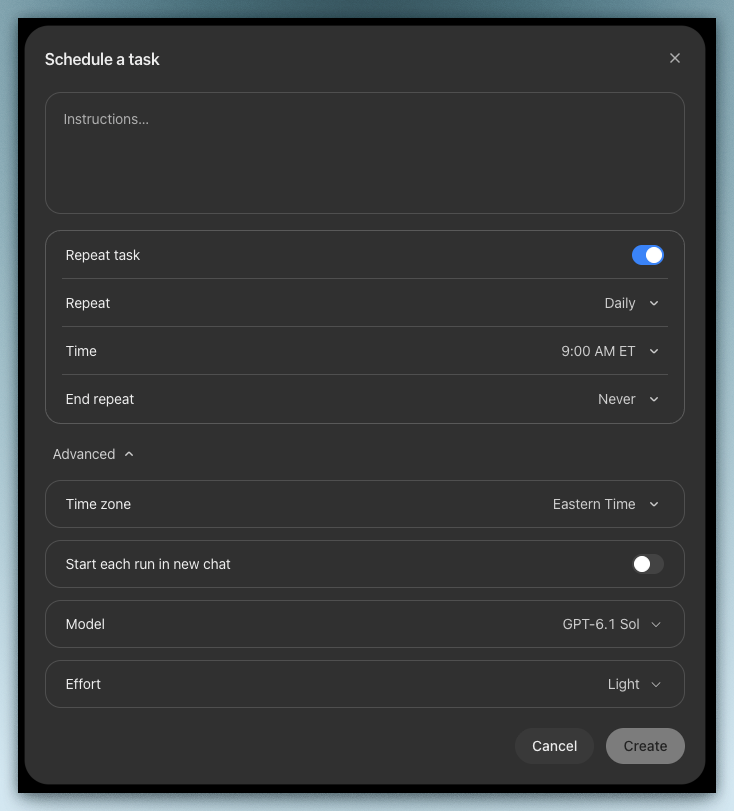
So the capability arrived where ordinary family historians can reach it — a weekly reminder to return to your research plan is now a setting rather than a subscription. How useful is that? It depends on how you work.
There is a genealogy-specific limit, though: genealogy websites have both barred AI agents from their collections, so an agent cannot go and search the records for you. I covered what that means in AI Agents Can't Search the Record Sites for You Anymore.
Verdict: watch it. Understand that more agentic AI searching is possible, but the agent that could do your record searching would first need the record sites to let it in.
What got retired or renamed
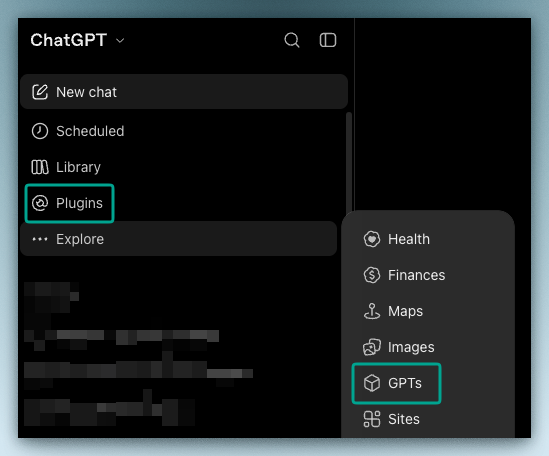
Custom GPTs retire on December 11, 2026, on every ChatGPT plan. OpenAI is replacing them with plugins. Existing GPTs keep working until that date, but nothing moves over automatically, and a GPT becomes read-only once its creator migrates it. If you rely on a genealogy GPT somebody else built, ask them about the plugin version now. If you built your own, copy its instructions somewhere you keep.
The ChatGPT Atlas browser was retired in July, less than a year after launch, and folded into ChatGPT's new desktop work app.
GPT-5.5 stopped being ChatGPT's default in August, replaced by GPT-5.6.
Verdict: act on the GPTs now don't wait until December. It is the only change this quarter that takes something away from family historians.
What I am ignoring, and why
AI video, talking avatars, and phone calls placed on your behalf. Google shipped 4K video upscaling, OpenAI added animated desktop pets, and Gemini is testing calls to businesses for you. None of it moves a family history toward finished.
Voice cloning, which I am not ignoring so much as refusing. Google's newest text-to-speech model can clone a voice from 30 seconds of audio. It requires consent and carries a watermark, and the oral-history possibilities are real. It is also the same technology behind the grandparent scam and it just got easier. I keep a running list of AI genealogy scams for exactly this reason.
Verdict: skip these. Nothing here is worth an afternoon of your research time, and every hour spent on it is an hour not spent on the ancestor already waiting in your files.
What this means for our family history work
Most of this quarter's progress arrived on its own. You did not need a new plan, a new tool or a weekend course to benefit from it. That is good news, and it frees you to spend your attention where it was always needed.
The work itself did not change. Finding the records, checking what an AI tool hands back, and deciding what the story is about are still yours, and no release this quarter touched any of that. If you are choosing a tool for the first time, my current picks live on the best AI for genealogy page.
Every prompt I publish lives in one place, and I add to it each month. You can get the library at chroniclemakers.com/prompts.