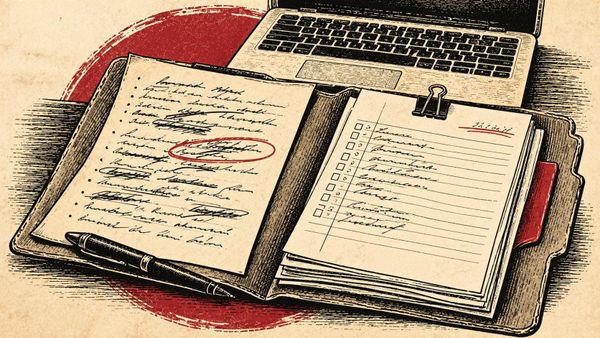
The Making Log: The Running Record of How You Work a Research Problem
A Making Log: dated entries recording what a family historian set out to find, what they did, what AI did, and what they kept, for one ancestor research project.
A Making Log: dated entries recording what a family historian set out to find, what they did, what AI did, and what they kept, for one ancestor research project.
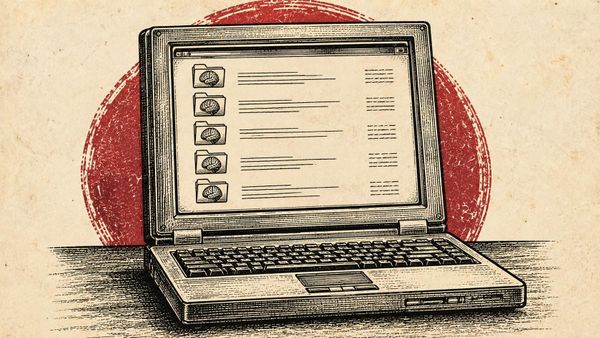
A Research Brain is the project folder for one research project: your records, your brain dump and your Making Log, kept where your AI tool can read them.
AI invents records because of the request, not the tool. The Find/Work Test is one question family historians ask first: find something, or work on it?
Try the Five Forms exercise to see which style of family history writing you drift towards. The chronicle is the sixth form and a new one for family historians.
The everyday frontier AI models got better on their own this quarter. What changed in Claude, ChatGPT and Gemini for family historians, July to September 2026.
I called AI a collaborator for two years and then stopped. The word was telling family historians their own research and writing belonged to something else.
AI can coach the family history you have already written, without writing a word of it for you. What a coaching pass returns and why it works.
MyHeritage and Ancestry both barred AI agents from their sites in 2026. What the terms actually say, and what AI is genuinely useful for at the search box.
A finished family history is one a reader has read. Not a complete tree, not exhausted sources — a chronicle someone who is not you has actually read.
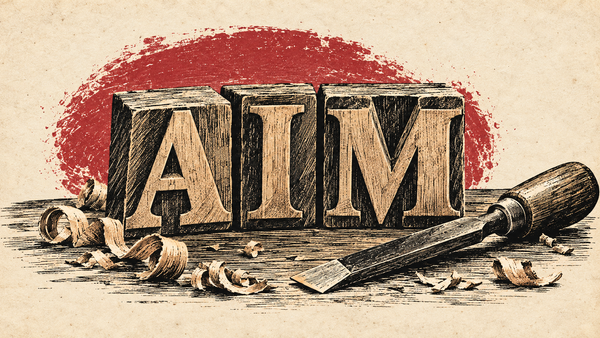
AIM is the Chronicle Makers method for working with AI on family history research: Assess, Interact, Measure. It replaces "trust but verify."
You have enough to write. The Full Pantry Problem is the gap between having enough and believing it, and it hits the best-researched family historians hardest.
ChatGPT and Claude's new live voice mode lets you talk instead of type to write your ancestor's story faster.
Frameworks
Your making process is the path from the records you found to the chronicle your family reads. Documenting it as you work is the practice.
Frameworks
The Soundness Standard defines when research on one ancestor is finished: searched to the records that exist, written down, honestly defensible.
Safety and Privacy
The privacy question in family history is not really about AI. It is about whose material goes into your tool, and what it does to the tool.
Writing with AI
Is it cheating to use AI to write your family history? No. Cheating needs a competition with rules and you never entered one. Here's the real answer.
Chronicles
The chronicle of Clyde B. Keele, a Burnet County, Texas rancher whose character a new son-in-law learned across five years of Saturday lunches — told through two unforgettable afternoons. By Mark Gillin.
Research with AI
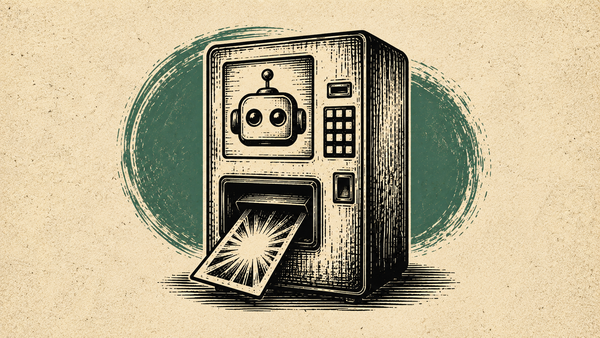
AI can't hand you the answer about your ancestor, and that was never the point. How the Full Pantry changes what AI does for genealogy.

Frameworks
The Research Quality Check is the five-check standard family historians run on their research before writing an ancestor's story.
AI Tools
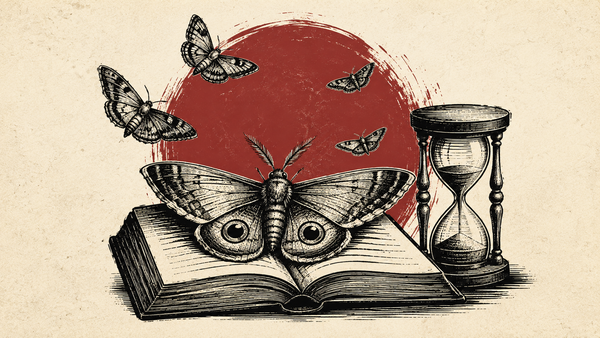
Claude's Fable model is remarkable, and family historians don't need it. Here's what actually gets your daily genealogy work done.
Chronicles
The chronicle of Francis Day, a Patriot who fought in the Battle of Guilford Courthouse, North Carolina. Written by his descendant John Day.
AI Tools
Summary of the newest features in Gemini AI for family historians, highlighting the most useful features and what to avoid.
AI Tools
A summary of the changes to ChatGPT from January to June of 2026, focused on what matters for family historians using it for research and writing.
AI Tools
Summary of the key updates to Claude AI by Anthropic for family historians, included memories, visual skills, and Claude Cowork.